.webp)





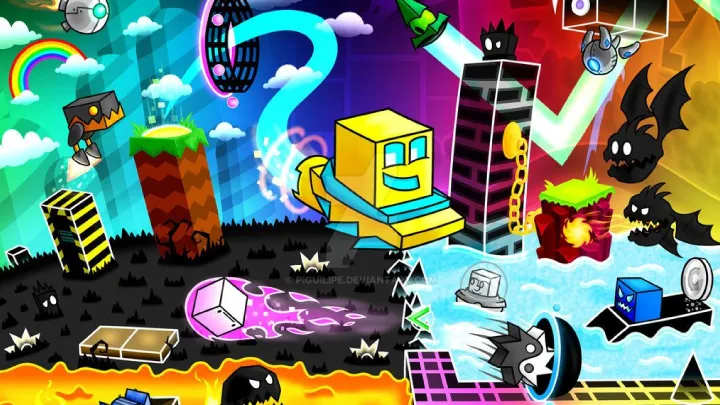
Geometry Dash is one of the few games where failure is constant. Players can fail hundreds of times on a single level, often at the same obstacle. For many, this feels frustrating. But in reality, failure is not a setback—it is the main path to improvement. This article explores why repeated failure is essential for progress in Geometry Dash.
1. Failure Is Built Into the Game
Geometry Dash is designed around trial and error.
Every obstacle teaches timing.
Core Design
- Fixed patterns
- Instant restart
- Immediate feedback
Core Insight
Failure is part of the learning system.
2. Every Death Contains Information
A failed attempt shows what went wrong.
What Failure Reveals
- Late jumps
- Wrong rhythm
- Poor focus
Strategic Value
Mistakes expose weaknesses clearly.
3. Repetition Turns Failure into Memory
Repeated failure builds recognition.
Learning Process
- Fail
- Retry
- Adjust
Result
Patterns become familiar over time.
4. Emotional Resistance Slows Growth
Many players fear failure.
Common Reactions
- Rage quitting
- Blaming difficulty
Hidden Problem
Emotional resistance blocks improvement.
5. Difficult Sections Require Failure
Hard parts cannot be mastered instantly.
Why It Matters
- Precision takes time
- Timing needs refinement
Truth
Struggle is part of mastery.
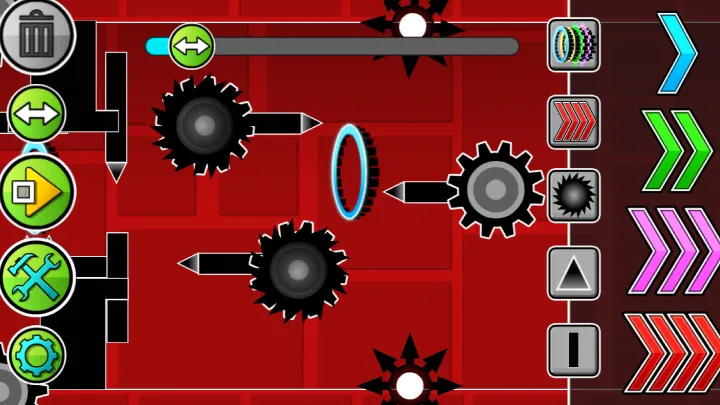
6. Late Deaths Are More Valuable
Dying near the end feels painful.
But it teaches the most.
Learning Advantage
- Reveals endgame pressure
- Exposes weak consistency
Insight
Late failures contain high-value information.
7. Failure Builds Mental Strength
Repeated failure develops resilience.
Mental Benefits
- Patience
- Focus
- Discipline
Growth Rule
Mental strength supports long-term progress.
8. Practice Mode Depends on Failure
Practice exists because failure teaches.
Practice Benefits
- Isolate difficult sections
- Learn exact timing
Efficiency Insight
Focused failure accelerates learning.
9. Advanced Players Fail Too
Even top players fail often.
Difference
- They learn faster
- They stay calmer
Competitive Edge
Skill changes how failure is used.
10. The Failure Mindset
Top players don’t fear mistakes.
They study them.
Pro Habits
- Analyze deaths
- Stay patient
- Retry with purpose
Final Insight
Failure is not the opposite of success—it builds it.
Conclusion
Geometry Dash proves that failure is not a sign of weakness, but the foundation of improvement. Every death provides information, builds muscle memory, and strengthens mental discipline. Players who embrace failure as part of the process improve faster and more consistently than those who avoid it.