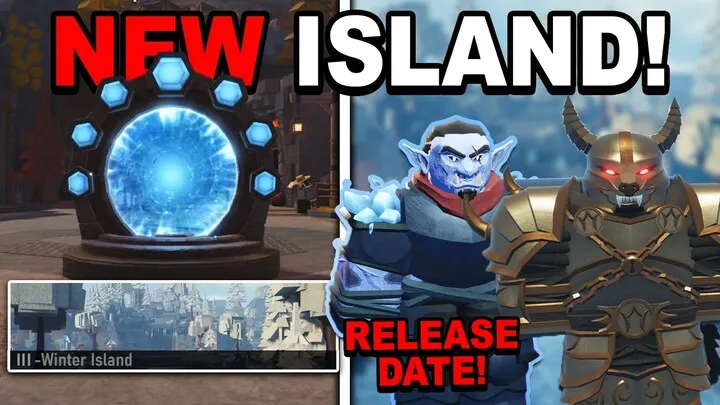







1. Introduction and Full Overview of The Forge
Roblox: The Forge is one of the most ambitious survival-crafting RPG experiences on the platform. The game combines exploration, resource mastery, combat progression, and world-building into a single interconnected system. Unlike most Roblox titles that focus on short, repetitive loops, The Forge offers a layered survival ecosystem with scaling difficulty, biome-based resource design, dynamic enemy behavior, and a deep progression tree that rewards long-term strategy.
This guide serves as a complete Tips and Guides resource. It is written for both new players and experienced players who want to optimize efficiency, progression, combat builds, and exploration. By the end of this series, you will fully understand how to move from early-game resource gathering to late-game forging, advanced weapons, meta builds, and endgame content.
2. What Makes The Forge Unique?
Before diving into strategies, it is important to understand what sets this game apart.
Deep Crafting and Tier-Based Progression
Every tool, weapon, and armor piece belongs to a tier. Advancing to higher tiers requires exploring new biomes, unlocking special materials, crafting upgraded stations, and understanding resource chains. Progression is not simply grinding; it is about learning how systems connect.
Dynamic Combat System
The Forge uses a stamina-based, movement-dependent combat style. Instead of simple clicking, players must consider distance, dodge timing, enemy patterns, and weapon class mechanics. Combat feels more like an action RPG than a typical Roblox fighting game.
A Living World with Biome Identity
Each biome introduces new environmental challenges, unique enemies, exclusive materials, and specific progression gates. Understanding the identity and mechanics of each biome is essential for efficient advancement.
3. The Core Gameplay Loop
To master The Forge, you need to understand its fundamental gameplay cycle.
Phase 1: Gathering
At the beginning, you will collect wood, stone, and low-tier ores. You will craft basic tools, learn how stamina functions, and locate safe places to operate. This phase is about foundation building.
Phase 2: Crafting
Crafting is the center of the entire experience. Better tools increase your gathering speed, better weapons improve your ability to handle mobs, and upgraded stations unlock an entirely new tier of items. Crafting decisions determine how fast you progress.
Phase 3: Exploration
Exploration allows you to access new materials, discover hidden areas, unlock secrets, and encounter biome-specific enemies. Much of the game’s progression is gated behind exploration, not grinding in one area.
Phase 4: Combat
Combat plays an important role since many rare materials only drop from enemies. You must understand your weapon’s moveset, manage stamina, time your dodges, and learn how to control spacing.
Phase 5: Upgrading
Upgrading is the long-term progression backbone. Tools, weapons, armor, potions, and workstations are all part of a continuous improvement chain. Each upgrade opens a new gameplay layer.
The game is built around repeating and improving this loop.
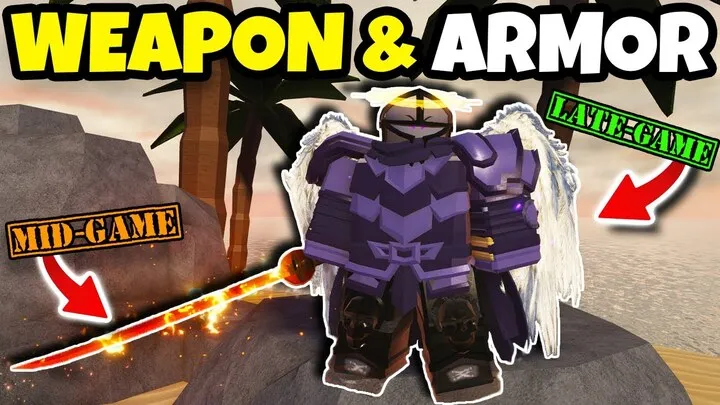
4. Beginner Tips for the First Hours
Tip 1: Prioritize Tool Upgrades First
Beginners often focus on weapons, but tools determine your resource income. A higher-tier pickaxe or axe drastically speeds up progression. It is always more efficient to craft tools before crafting secondary gear.
Tip 2: Do Not Stay Too Long in the Starter Biome
Many players overfarm the initial area. The game is not designed for extended grinding there. After crafting basic gear, move to the next biome. Progression is locked behind biome advancement.
Tip 3: Learn Stamina Rhythm Early
Stamina controls attacking, dodging, blocking, and sprinting. New players often overspend stamina and become vulnerable. A simple beginner rhythm is: attack briefly, reposition, then attack again.
Tip 4: Build Your Base Near a Resource Cluster
Placing your base near ore, trees, water, or a biome border saves significant time. An efficient base location can reduce the time spent traveling by more than half.
Tip 5: Upgrade Stations Before Weapons
Your crafting stations unlock new items, new materials, and new weapon tiers. Investing in your workbench and forge early gives you exponential benefits. Stations should always be the first major upgrade.
5. Understanding the World and Biomes
The Forge’s world is built around elemental biomes, each with unique mechanics and threats.
Volcanic Zones
These areas include fire-based enemies and high-temperature hazards. They contain rare metals needed for mid to late-game forging.
Frost Regions
These zones slow movement and drain stamina more quickly. They include ice enemies and valuable crystal materials.
Woodland and Plains
These are beginner-friendly regions with balanced resources and basic enemies. They teach fundamental combat timing and gathering routes.
Corrupted Lands
These dangerous regions include hybrid enemies, aggressive mobs, and late-game materials. They serve as a gateway to high-tier crafting.
The biome system is designed to push players to explore rather than stay in one safe area.
6. Early Combat Guide
Beginner combat in The Forge focuses on spacing, stamina management, and reading enemy patterns. You should avoid face-tanking, since most enemies punish reckless rushing. Staying mobile, circling around enemies, and striking when they commit to an attack are foundational combat habits that will carry you throughout the game.
2. Progression, Crafting Systems, and Resource Mastery

Progression in Roblox: The Forge is designed as a layered system where each tier unlocks a new depth of gameplay. Unlike many Roblox survival titles where you simply gather more of the same resources, The Forge uses a structured progression chain. You must understand which resources unlock which stations, which stations unlock which weapons, and which biomes provide the next set of materials. This section breaks down everything players need to know to progress smoothly and efficiently.
1. Understanding the Tier-Based Progression System
The Foundation Tier is where players begin their journey. This tier introduces basic tools such as the Wooden Pickaxe, Stone Axe, and early crafting benches. The purpose of this tier is not long-term survival but orientation. You are learning what resources look like, how stamina behaves, and where biomes connect.
The Early Metal Tiers introduce copper, iron, and bronze tools and weapons. These materials allow you to interact with ore nodes that wooden or stone tools cannot break. The game begins to open at this stage, giving players access to new recipes and higher-level enemies.
The Mid Tiers involve steel, cobalt, frost-infused metals, volcanic alloys, or their equivalents depending on the updates. These tiers are where the game truly expands. Each biome visited provides the next crafting ingredient, and players must start managing combat difficulty, environmental hazards, and resource scarcity.
The Late Tiers include corrupted materials, rare crystals, high-tier alloys, and special boss-related drops. This is where advanced forging takes place. Weapons begin to gain passive abilities, armor pieces offer specialized resistances, and tools become extremely efficient.
The progression system forces players to advance outward rather than grind in a single location. Understanding when to move to the next tier is one of the most important skills in the entire game.
2. Crafting System Breakdown
Crafting is the backbone of The Forge. Every tool, weapon, and piece of armor is created through a chain of materials and stations. There are three primary pillars to understand.
Tool Crafting
Tools determine how quickly you can access the next stage of progress. A higher-tier pickaxe means faster ore gathering, faster upgrades, and faster biome unlocking. A higher-tier axe speeds up wood collection, which is essential for workstation upgrades.
Many players underestimate how important minor tool upgrades are. A small improvement in tool quality results in exponential improvements in resource flow. For example, upgrading from a Stone Pickaxe to a Copper Pickaxe may seem small, but it cuts mining time significantly, which reduces overall grind time.
Weapon Crafting
Weapons are more diverse than tools. Each weapon type has a moveset, attack speed, stamina consumption rate, and damage pattern. Light weapons excel at mobility and fast strikes. Heavy weapons focus on burst damage and posture-breaking. Ranged weapons provide safety at the cost of resource investment.
Players must choose whether they want to specialize in one weapon type or maintain several for different biomes. Fire-based biomes often require quick weapons to avoid extended engagements, while frost regions benefit from heavier weapons that break enemy defenses.
Armor Crafting
Armor is not only about defense. Many armor pieces provide environmental resistance, stamina bonuses, or movement speed improvements. Without the appropriate armor, some biomes become nearly impossible to navigate efficiently. Frost armor prevents rapid stamina loss in cold areas. Heat-resistant armor protects players in volcanic biomes.
Armor progression directly controls biome accessibility.
3. Workstations and Upgrade Priorities
The workstation system is the hidden foundation of progression. Upgrading the workstation unlocks new recipes, which unlock new tools, which unlock new biomes, which unlock new resources.
Players should prioritize workstation upgrades over weapon upgrades in early to mid-game. The Forge Bench, Smelter, and Refinery all play critical roles. Skipping or delaying workstation upgrades slows the entire progression chain.
A typical efficient upgrading route looks like this:
Start with a basic crafting bench for wood and stone tools.
Move to a beginner forge to craft copper or iron items.
Upgrade to a mid-tier forge that allows alloy creation.
Unlock a specialized workstation for biome-based materials.
Finalize with a late-game forge for corrupted or crystal-tier items.
Once you understand this chain, progression becomes smooth and predictable.
4. Resource Types and How to Farm Them
Resources in The Forge fall into several categories. Knowing where to find each resource type and how to gather them efficiently is essential.
Basic Resources
Wood, stone, coal, and low-tier ores appear in beginner regions. They provide the foundation for early crafting but quickly fall out of relevance as you progress. Even so, they remain important for workstation upgrades, so gathering enough early on is beneficial.
Ore Resources
Each biome contains a unique ore type. These ores are required for tool upgrades and alloy creation. Ore routes are specific paths within a biome that contain clustered ore nodes. Learning these routes allows you to gather efficiently without wandering aimlessly.
Plant Materials
Plants and herbs are used for potions, refinements, or crafting materials. Frost plants, volcanic herbs, corrupted vines, and other biome-specific vegetation often provide rare ingredients used in advanced crafting.
Enemy Drops
Many high-value crafting materials come from enemies. This includes cores, shards, essences, or unique drops depending on the enemy type. Farming enemy drops becomes a major strategy in mid to late-game.
Special and Rare Resources
Certain resources only appear in secret areas, high-threat zones, or are tied to mini-bosses. These materials are essential for late-game crafting and require preparation, strong armor, and knowledge of terrain.
5. Resource Efficiency Strategies
Players who understand efficiency progress significantly faster.
Always plan your gathering trips.
Do not roam aimlessly; follow known routes.
Upgrade tools before attempting large gathering runs.
Learn which materials are bottlenecks in your crafting chain.
Use biome transitions to gather several resource types in a single route.
Avoid dying with full inventory, especially in mid to late-game regions.
Efficient players reduce grind time by more than half simply by planning ahead and gathering only what they need.
3. Combat Systems, Weapon Builds, and Mastery Strategies
Combat is one of the defining pillars of Roblox: The Forge. Unlike many Roblox titles where combat is simple and repetitive, The Forge delivers a system that feels closer to an action RPG. Stamina, spacing, weapon classes, enemy patterns, and movement all contribute to the flow of battle. Players who treat combat as a mechanical dance rather than a click-spamming contest rise through the game far more efficiently.
This section provides a full combat analysis, optimal fighting techniques, recommended weapon builds, and methods to consistently survive high-tier regions.
1. Core Combat Principles
The combat system is built around a few fundamental principles that apply in every biome and against every enemy.
Stamina Management
Stamina controls everything: attacks, dodges, blocks, and sprinting. If a player drains all stamina during an attack sequence, they become vulnerable for several seconds. This often results in taking heavy damage, especially in mid and late-game biomes. The correct approach is rhythm-based attacking. Strike, pause, reposition, then strike again. Maintaining at least one-third of your stamina bar ensures you always have an escape option.
Spacing and Movement
Movement is as important as damage output. Enemies in The Forge have defined attack ranges. Heavy enemies have slow but wide attacks, while fast enemies rely on quick lunges. The ideal technique is to stay at the enemy’s maximum attack range, step inward only when they commit to an animation, and retreat immediately afterward. This method drastically reduces the number of hits taken.
Reading Enemy Patterns
Each enemy type has predictable patterns. Some wind up before attacking, others rush immediately when provoked. Learning patterns is not optional; it is essential. Mid-game enemies hit too hard to simply rush down.
Commitment Windows
Every weapon class has animations with commitment time. Light weapons allow fast recovery, while heavy weapons lock you in place longer. Understanding commitment windows helps players choose safe attack timings.
2. Weapon Classes and How They Function